European Quantum Systems and Software Summit - VI
Tuesday, December 9 - Thursady, December 11
LINKS HQ, via P.C. Boggio 61, Polytechnic University of Turin.
Turin, Italy
EQS3-VI, December 2025
After a successful EQS3-V in Poznan, in which we were able to work towards a common understanding of the role of ISVs, we would like to continue the conversation.
We have received significant interest for both a hackathon on the QDMI interface, and for a strategic discussion on urgent challenges in the domain of Quantum system software. The interest was very pronounced at SC last week with several actors expressing a wish to meet in person and at the original dates.
We therefore are planning a hybrid event where those willing to travel can join us in Turin and others can join online and, if necessary, select online sessions which we will schedule based on your availability. We obviously understand that this is very short notice. As mentioned, we have received significant feedback urging us to go ahead.
We are, therefore, excited to invite you or someone you designate from your organization to the sixth instance of the European Quantum Systems and Software Summit, continuing the series of events from Raitenhaslach, Garching, Copenhagen, Dublin and Poznan. This iteration of EQS3 will take place online and in Torino, Italy due to the gracious local hosting of Paolo Viviani and Olivier Terzo at LINKS Foundation.
The meeting will take place from 1:30pm on Tuesday, December 9th 2025, and end at noon on Thursday 11th. We hope you can make it to help drive this development for the European quantum ecosystem. The hackathon will be highly technical and attendees are asked to be able to deep dive on system and device software research and development as well as API design. For the strategic aspects we do expect participants with the relevant roles in your organization.
Please note, that this invitation is for one person only, as we are trying to manage the attendee level. If you would like to nominate another person from your organization or suggest a replacement, please don't hesitate to contact us and we'll be happy to see what we can do.
Topics for discussion include:
- Software and program development environments
- Low-level system software, including firmware interfaces
- Extension of current programming models and development of new approaches
- Role of existing established models like OpenMP and MPI for quantum computing
- Quantum runtime systems
- Tooling for end users that provide needed abstractions
- Global and local schedulers and scheduling policies
- Environmental and execution monitoring
PURPOSE
We will gather the expert community on quantum computing with a technical focus on integrating this new technology into our existing HPC and data center system software environments and to have a lively technical discussion on how to accomplish this, to learn from each other’s technical ideas and approaches, and to find practical and near-term solutions that work for across sites and their individual requirements. We hope this will be the starting point for a long-term conversation towards open environments and/or standards for quantum computing, enabling seamless integration with existing system software infrastructures and programming environments and supporting different access frameworks and user services.
For any questions, please contact Martin Schulz at schulzm@in.tum.de
Preliminary Agenda
Tuesday, December 9
12:30–14:00 Arrival and light lunch
14:00–14:05 Host welcome
14:05–14:15 Presentation of LINKS and the CPE Research area
14:15–14:30 EQS3-VI goals and structure
14:30–15:30 Participant presentations
15:30–16:00 Intro to the Quantum Device Management Interface (QDMI)
16:00–16:30 Coffee Break
16:30–17:00 Follow up Discussion on QDMI
17:00–17:25 Invited Talk 1 – ParityQC presents their experience building an ISV “QDMI Device”
17:25–17:50 Invited Talk 2 – Qoro presents their experience building a backend “QDMI Device”
17:50–18:00 Wrap-up Day 1
20:30 Common dinner
Wednesday, December 10
09:00–09:25 Invited Talk 3 – PSNC presents their experience with Slurm and QDMI
09:25–09:40 Hackathon Part I: Setup & Onboarding
09:40–10:30 Hackathon Part II – Minimal QDMI Device implementation
10:30–11:00 Coffee Break
11:00–12:00 Hackathon Part II – Minimal QDMI Device implementation
11:00–12:00 Parallel Session IB - Strategy Session I
12:00–13:30 Lunch
13:30–15:30 Parallel Session IIA – Hackathon Part II – Minimal QDMI Device implementation
13:30–15:00 Parallel Session IIB – Strategy Session II - Next EQS3s
15:30–16:00 Invited Talk 4 – Pasqal presents future plans on QRMI and QDMI
16:00–16:30 Coffee Break
16:30–17:10 Discussion IA - On ISV integration into QDMI
17:10–17:50 Discussion IB - Stack-as-Device integration into QDMI
17:50–18:00 Wrap up Day 2 and logistics Day 3
17:10–18:00 Optional: site visit
19:30– Social event
Thursday, December 11
09:00–10:00 Parellel Session IIIA – Hackathon Part III – Minimal QDMI Client Implementation
09:00–10:30 Parellel Session IIIA – Hackathon Wrap-up & Technical Track Closing Remarks
10:00–10:30 Parellel Session IIIB – Strategy Session II – “Quantum System Stack Alliance”
10:30–11:00 Coffee Break
11:00–12:00 Wrap-up plenary
12:00– Networking, departure, light lunch
ORGANIZATION
Co-Hosts
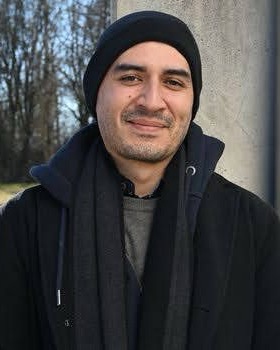
Jorge Echavarria
Co-Hosts
Sven Karlsson
Co-Hosts
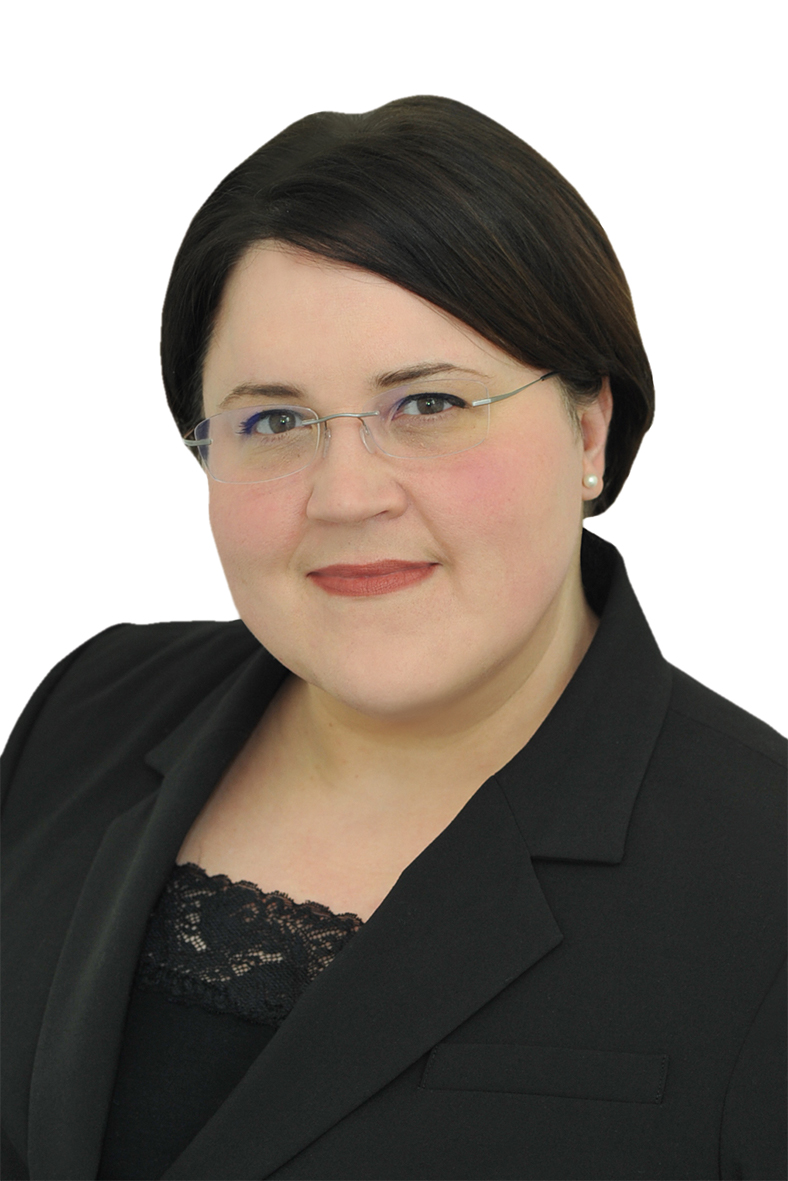
Laura Brandon Schulz
Co-Hosts
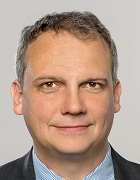
Martin Schulz
Co-Hosts
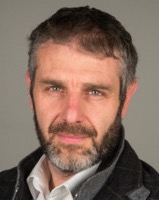
Olivier Terzo
Co-Hosts
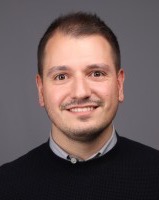
Paolo Viviani
Raitenhaslach, Burghausen, Bavaria
TUM Science and Study Center Raitenhaslach
Raitenhaslach 11
84489 Burghausen
Located in the former Cistercian monastery Raitenhaslach, the TUM Science and Study Center exudes inspiration and historical charm. After extensive restoration work, the monastery's late-baroque prelate's wing has been developed into a hub of international academic discussion.
A five-minute drive from Raitenhaslach, the neighboring town of Burghausen is situated along the Salzach river and is home to the longest castle in the world, the Burghausen Castle.
Hotel accommodations and evening dinner will take place in Burghausen and the summit at Raitenhaslach.
For accommodation and travel arrangement, please contact Lisa Francke at lisa.francke@tum.de